
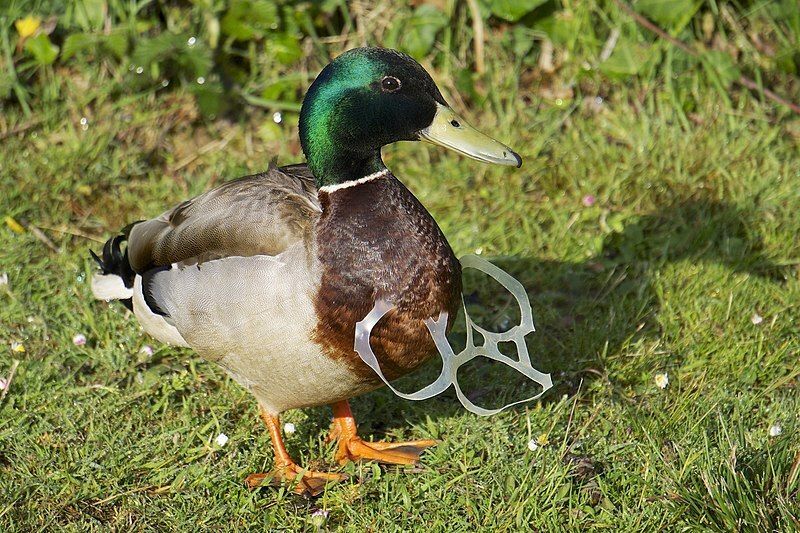
A Keep America Beautiful study in 2020 estimated that 50 billion pieces of litter clutter U.S. roadways, which is about 152 pieces of trash for every American.
At the same time, 90% of Americans agree litter is a problem in their community, and overwhelming majorities recognize its impact on the environment, public health, property values, tourism, and overall quality of life.
So where does this disconnect between values and behavior come from?
A previous Keep America Beautiful study from 2009 found that in 85% of cases, littering was done with “notable intent.” People aren’t just accidentally dropping things—they’re making a conscious choice to leave trash behind. But if most people know littering is harmful, why do they still do it?
Factors That Impact Littering Behavior
- Out of Sight, Out of Mind: The Role of Convenience: Numerous studies have found that the distance to a trash or recycling bin is one of the strongest predictors of whether someone will litter. In other words, the farther away a bin is, the more likely someone is to throw their waste on the ground. “People do care,” says social psychologist Wesley Schultz. “But it’s too much of a hassle, it’s too inconvenient. And so people do litter, even though they already care about it.”
- Lack of Ownership: Another psychological factor at play is the sense of ownership. Many people see parks, sidewalks, beaches, and other public spaces as someone else’s responsibility. When there’s no personal investment, it’s easier to justify littering, and people feel that it is someone else’s responsibility to clean it up.
- Age: Age is also a significant predictor of littering. Studies find that individuals under age 30 are more likely to litter than older age groups.
The Power of Social Norms
One of the most powerful psychological influences on littering behavior is driven by “social norms.” Psychologists differentiate between how other people who we believe are similar to us behave (descriptive norm) and how we think “important others” want us to behave (injunctive norm).
There’s a widely held injunctive norm that littering is “bad,” but human behavior also follows descriptive norms—we follow the example set by others who are similar to us behave. A study was conducted where participants were observed entering either a clean or heavily littered parking garage (injunctive norm). In some cases, they saw someone drop a piece of litter to draw attention to the environment’s condition (descriptive norm). The results were striking:
- In a dirty garage, littering occurred 86% of the time, compared to only 20% in a clean environment
- When participants saw a person litter in a dirty environment, their own littering rate jumped to 54%, versus 32% when the person merely walked by
- Conversely, the least amount of littering (6%) occurred when participants saw littering take place in an otherwise clean environment
These findings reveal an important insight: to change behavior, it’s most effective to focus attention on the injunctive norm—that littering is socially unacceptable.
What Can We Do?
Understanding the psychology of littering helps us move beyond blame and toward smarter solutions. Here are a few takeaways:
- Make trash and recycling bins more accessible. The closer a trash can is, the less likely people are to litter.
- Litter-free areas tend to stay cleaner. A clean environment reinforces positive social norms and results in lower levels of litter. So if we take action to keep public spaces clean, that could start a virtuous cycle of behavior change.
- Focus on younger audiences. Educational efforts should target the under-30 demographic, where behavior change is more likely to occur and make a long-term impact.
- Foster ownership. Community cleanup days, local stewardship programs, and even simple signage can help people feel that public spaces belong to them.
Litter isn’t just a waste-management problem—it’s a reflection of how people think, feel, and interact with their environment. By understanding the psychology that drives littering behavior, we can create the litter-free communities that everyone deserves.
Take Action:
- Sign up for the Massachusetts Litter Cleanup Crew to keep your neighborhood litter-free
- Organize a community cleanup as part of the 2026 Great Massachusetts Cleanup
- Join Keep America Beautiful’s Greatest American Cleanup and make our nation shine as we celebrate America’s 250th birthday.
Sources: